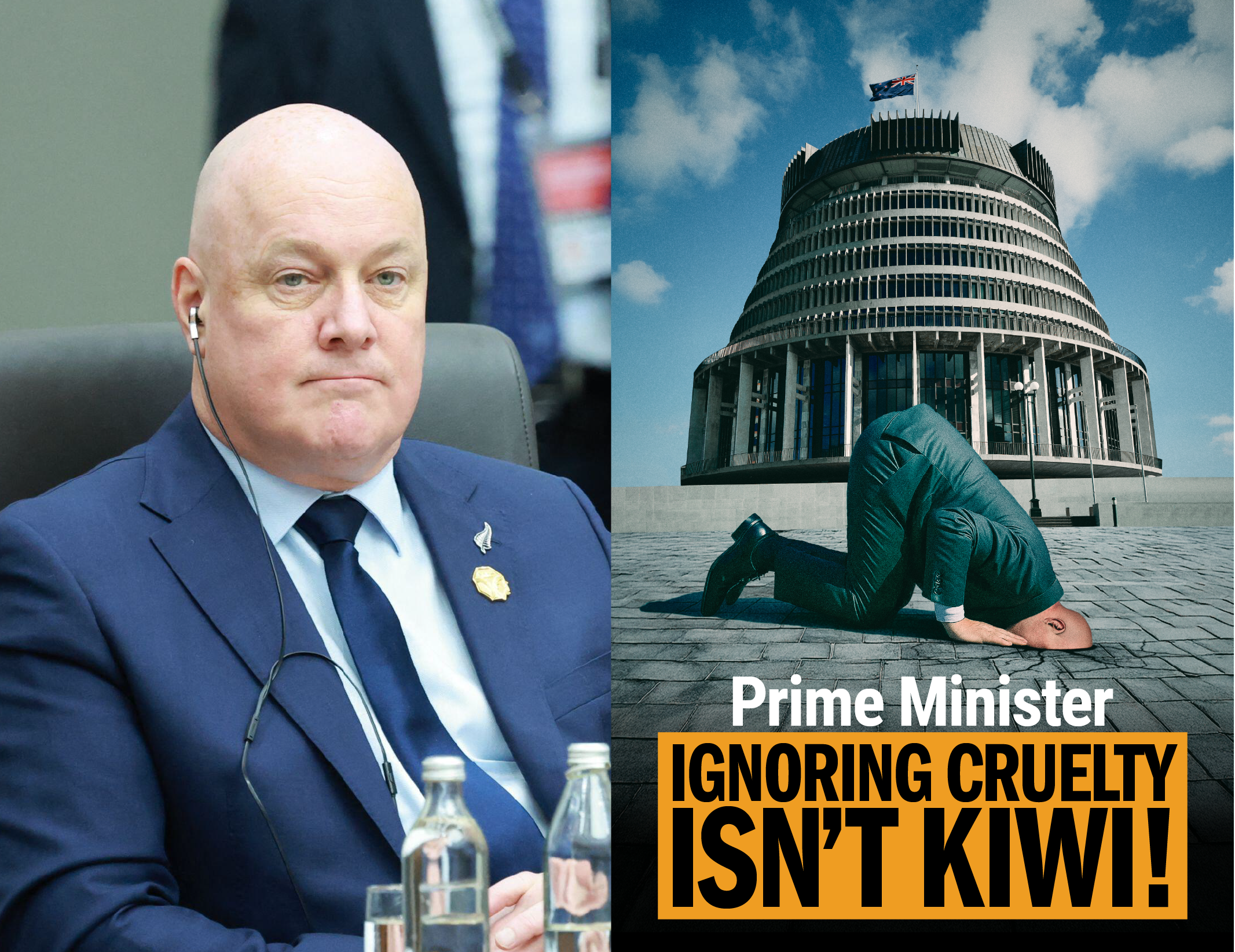
Last week, a new advocacy campaign was launched in New Zealand, designed by UP, calling on Prime Minister Christopher Luxon to end the double standard on cruel imports – because Cruelty Isn’t Kiwi.
Our brief was simple: make the issue impossible to ignore. The result is a series of ads showing the Prime Minister with his head buried in the pavement outside Parliament, alongside the message:
“Prime Minister, IGNORING THIS ISN’T KIWI!”
and
“Tell Luxon: be more Kiwi, less ostrich.”
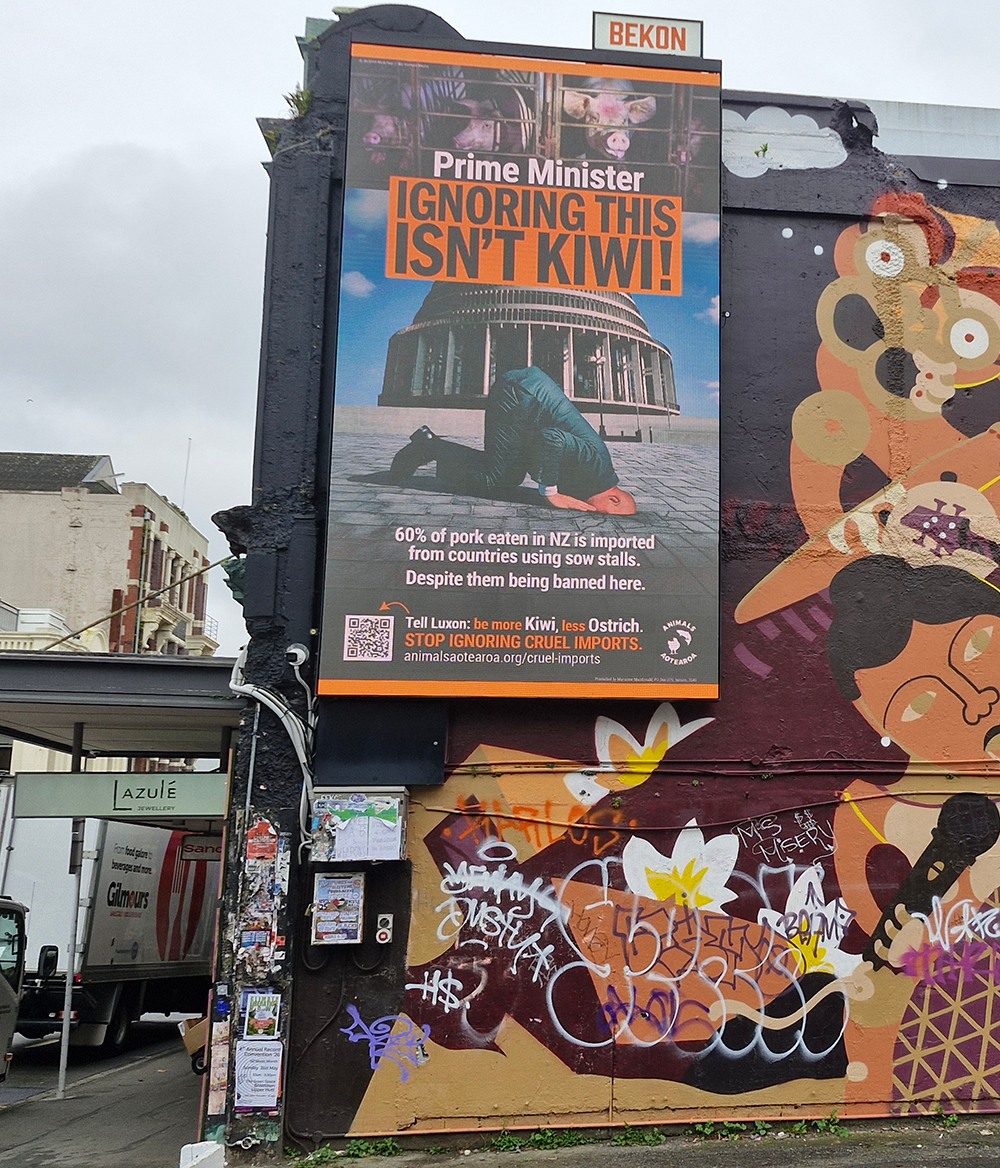
The 5-metre-high billboard goes up on Cuba Street in Wellington. This is a prime location for both the public and MPs on their way to Parliament, with high footfall and dwell time.
Behind the provocation is a clear and uncomfortable truth. Over 60% of the pig meat consumed in NZ is imported from factory farms still using sow stalls. Cages so small that mother pigs cannot even turn around. Eggs from battery cages also make their way into the country. These systems are banned in New Zealand.
That contradiction became the heart of the campaign.
With a general election approaching in November, the work is designed to create pressure at exactly the right moment – pushing the issue into public conversation and challenging political leaders to act.
For us, the creative challenge was to capture that sense of deliberate avoidance and to visualise the idea of “looking the other way.” The ostrich metaphor gave us a simple, recognisable way to do that. The simple, strong headline “Ignoring Cruelty isn’t Kiwi!” immediately appeals to national identity and shared values: New Zealanders take pride in fairness and transparency.
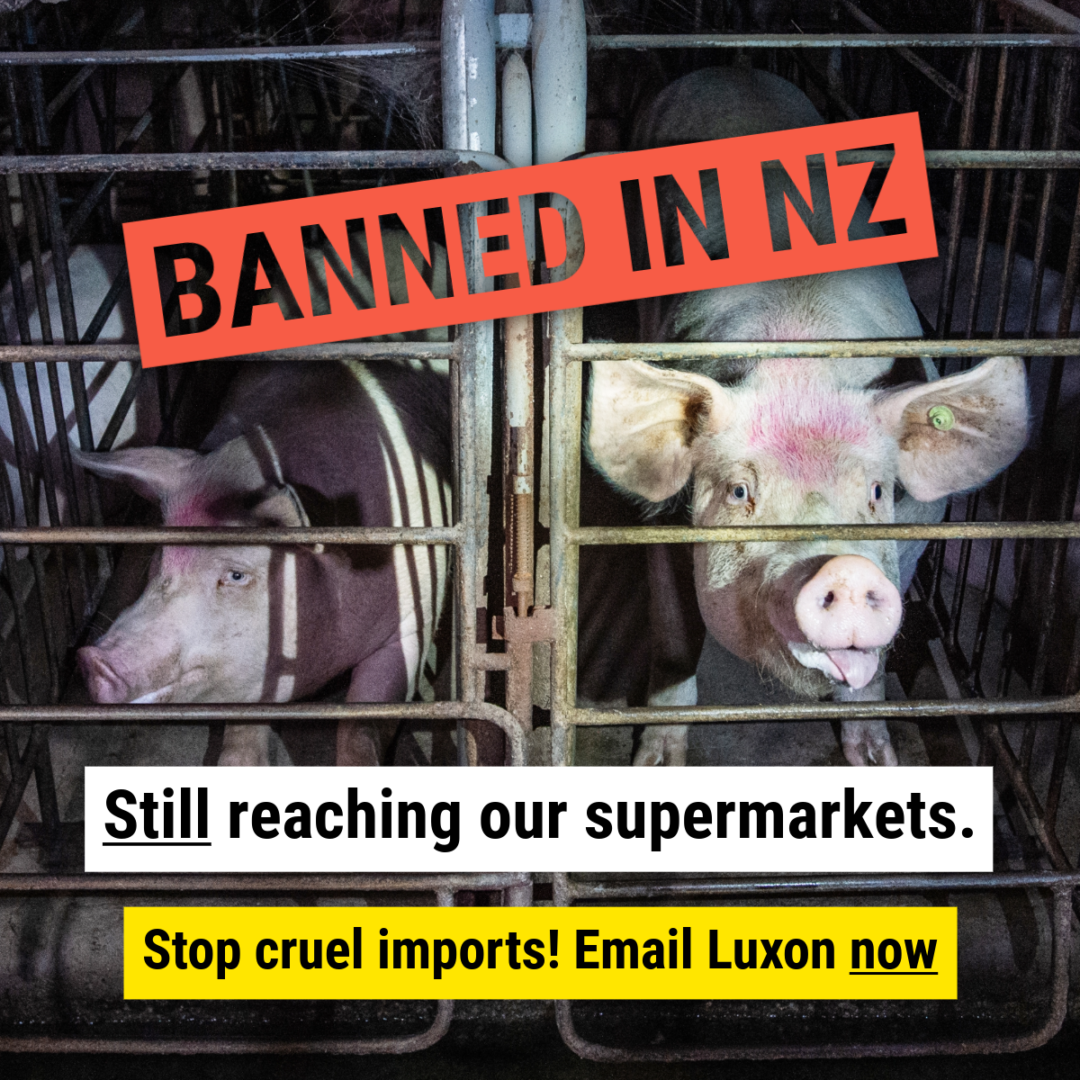
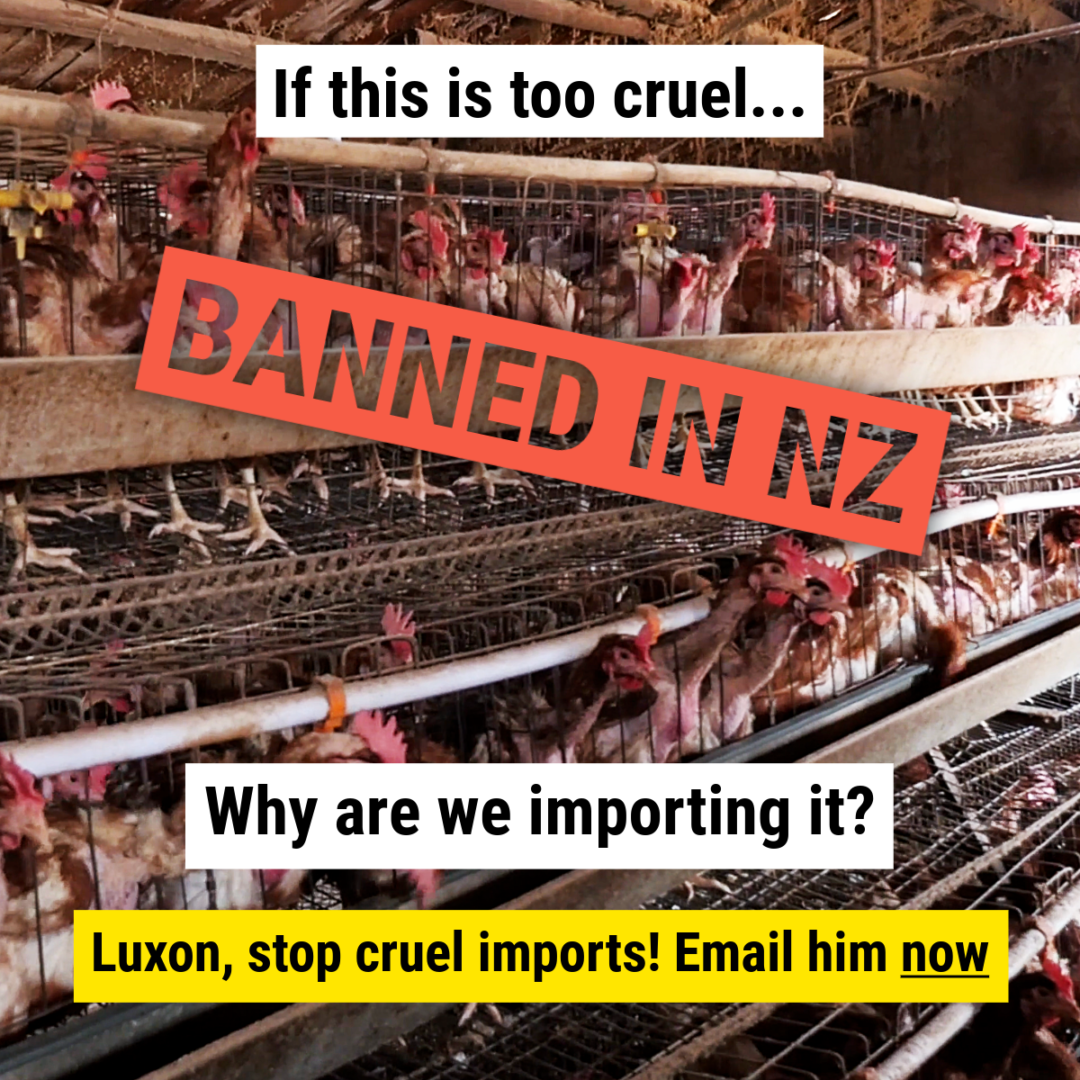
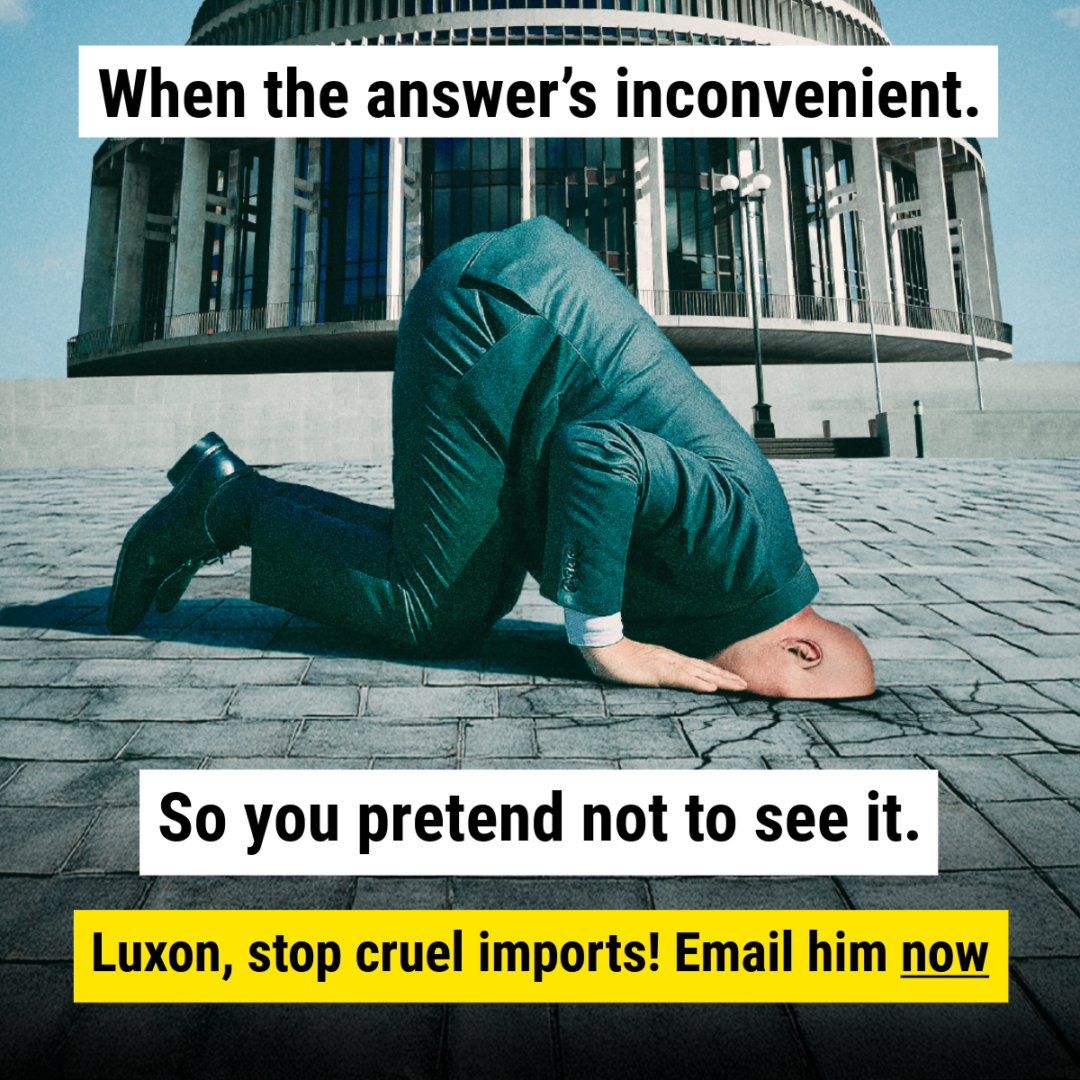
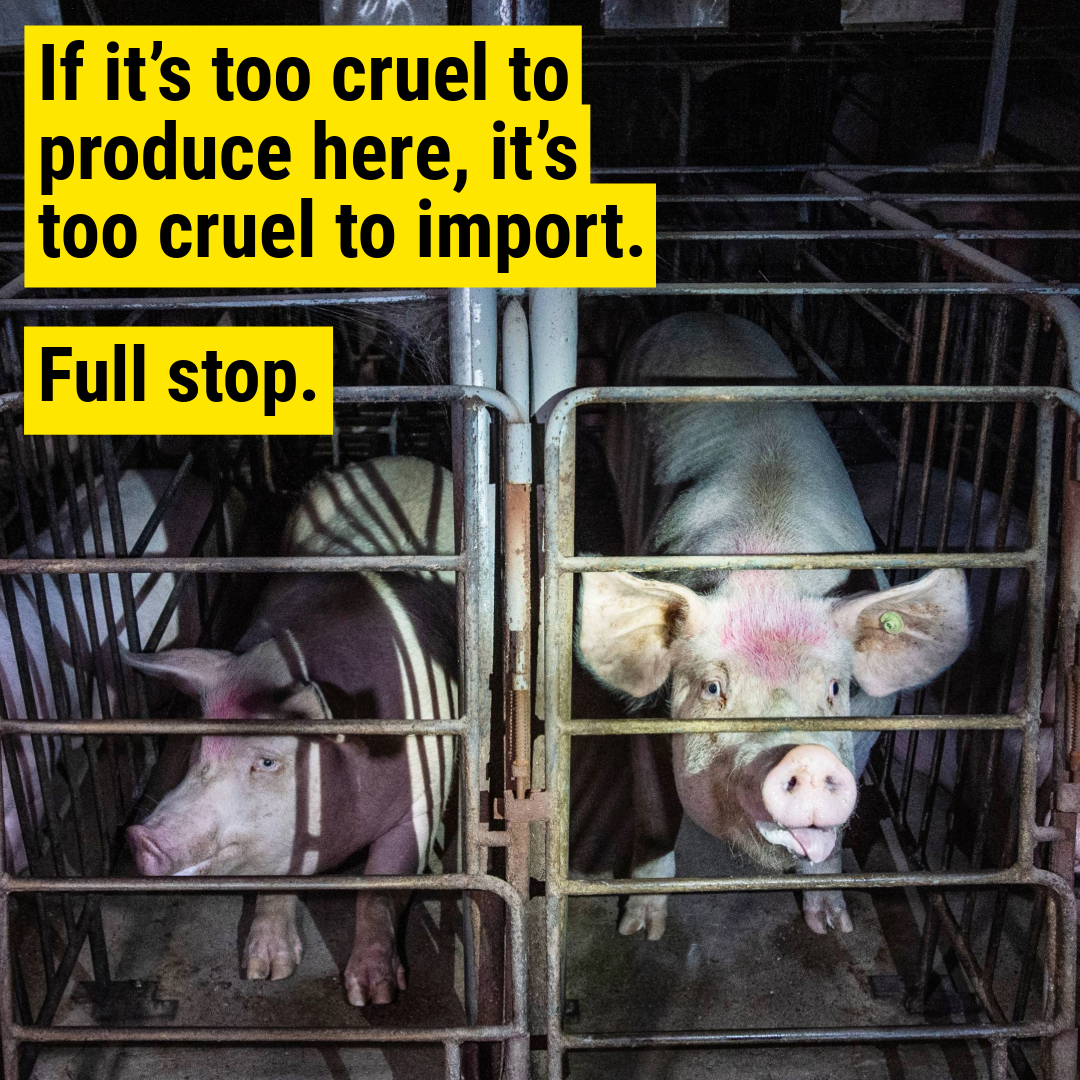
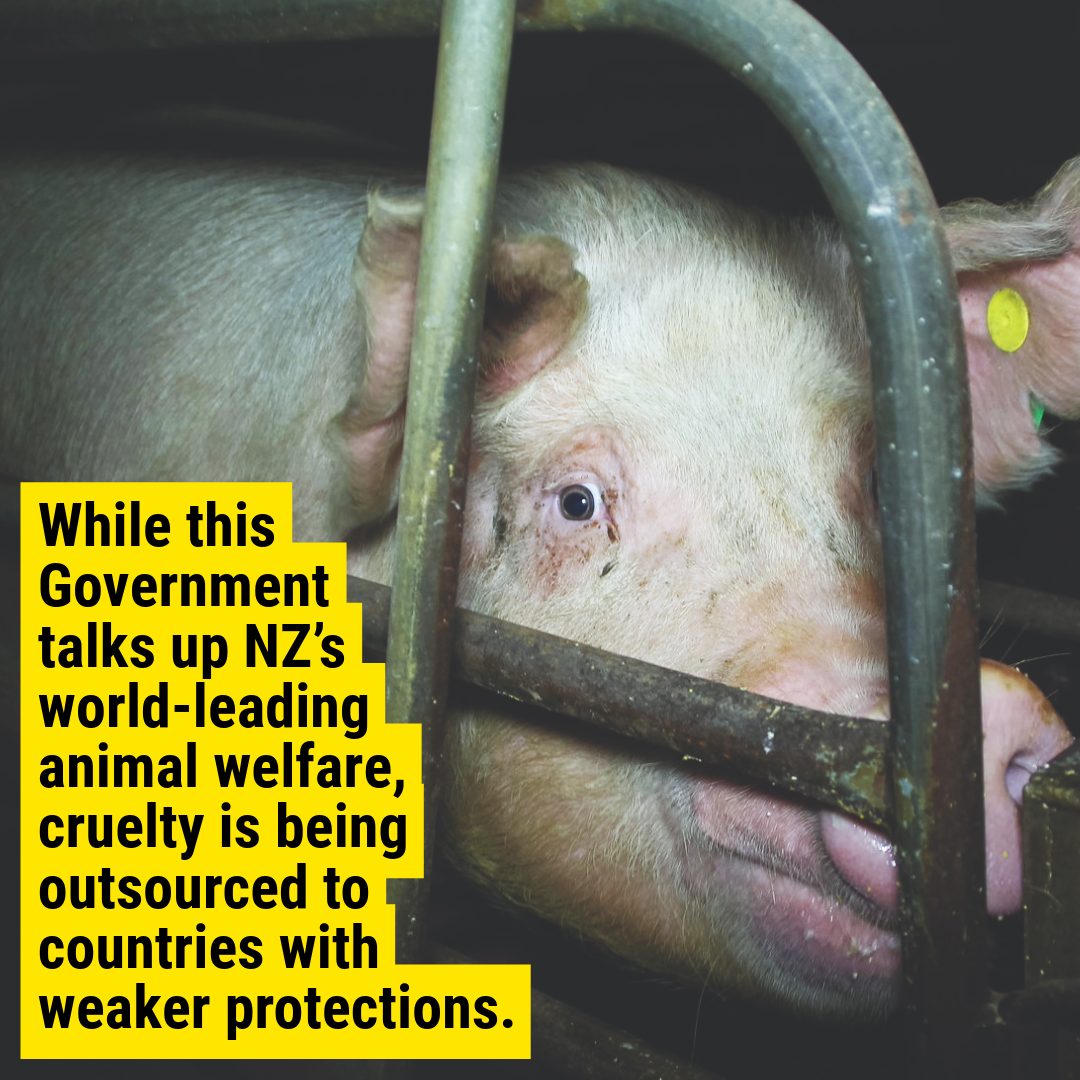
The social media campaign will continue to highlight the double standard, and ask supporters to email Luxon. In just a few days, over 1,500 emails have been sent.
Find out more about the campaign: https://animalsaotearoa.org/2026/03/09/cruel-imports-ads/
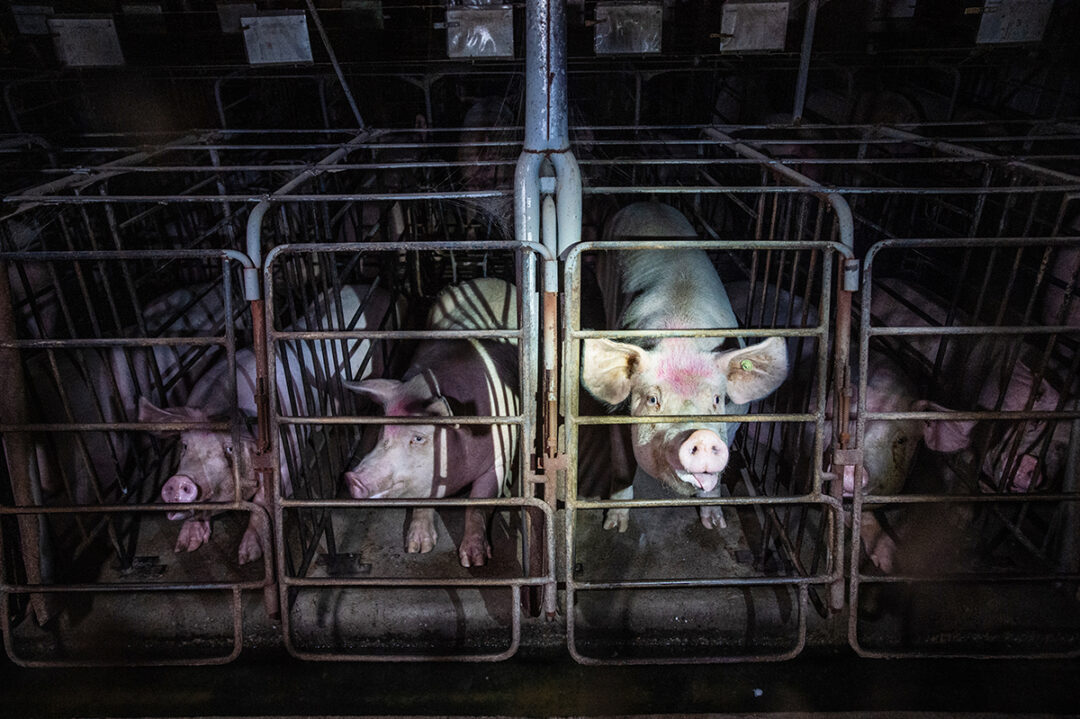
Big thanks again to Jo-Anne McArthur and We Animals Media for the use of their images. They reveal what’s hidden – and once seen, it can’t be unseen.